Brickell Key Rental Market Trends for Owners and Investors
If you own, plan to buy, or hope to lease out a condo on Brickell Key, one question matters fast: how strong is rental demand, really? The answer is more nuanced than a simple yes or no. Brickell Key benefits from a prime location and an affluent renter pool, but lease rules, unit type, and seasonality can shape performance more than neighborhood averages. Let’s dive in.
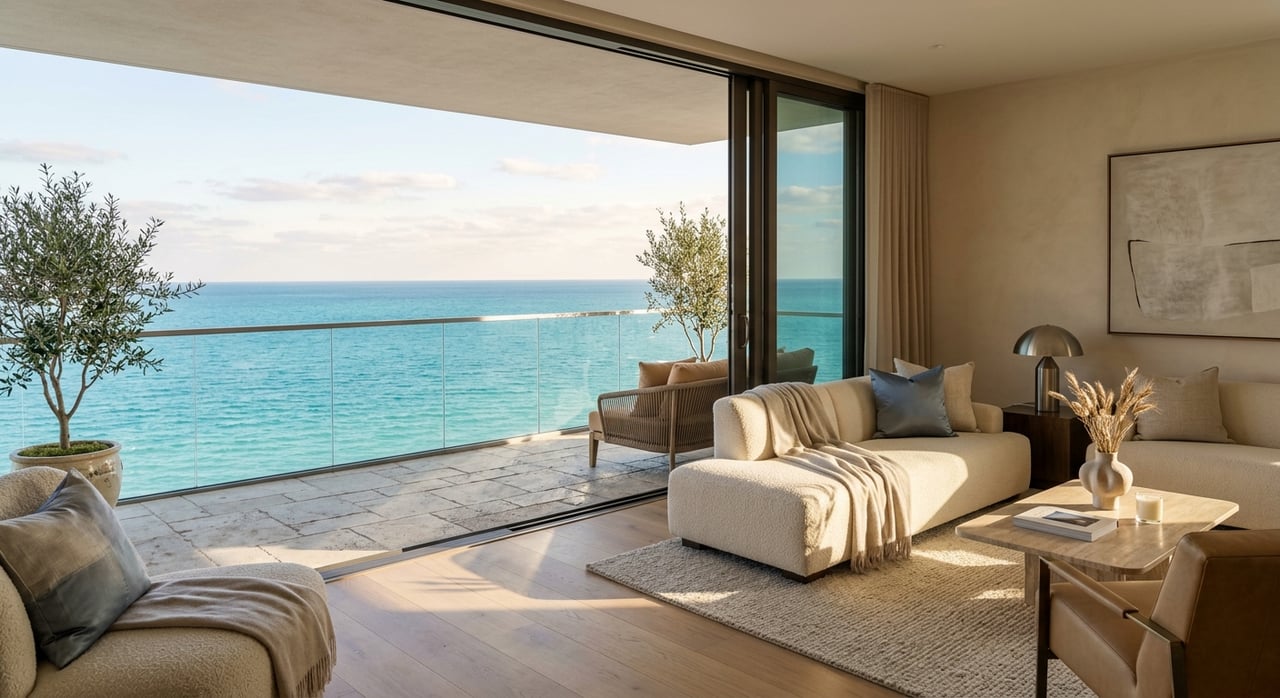
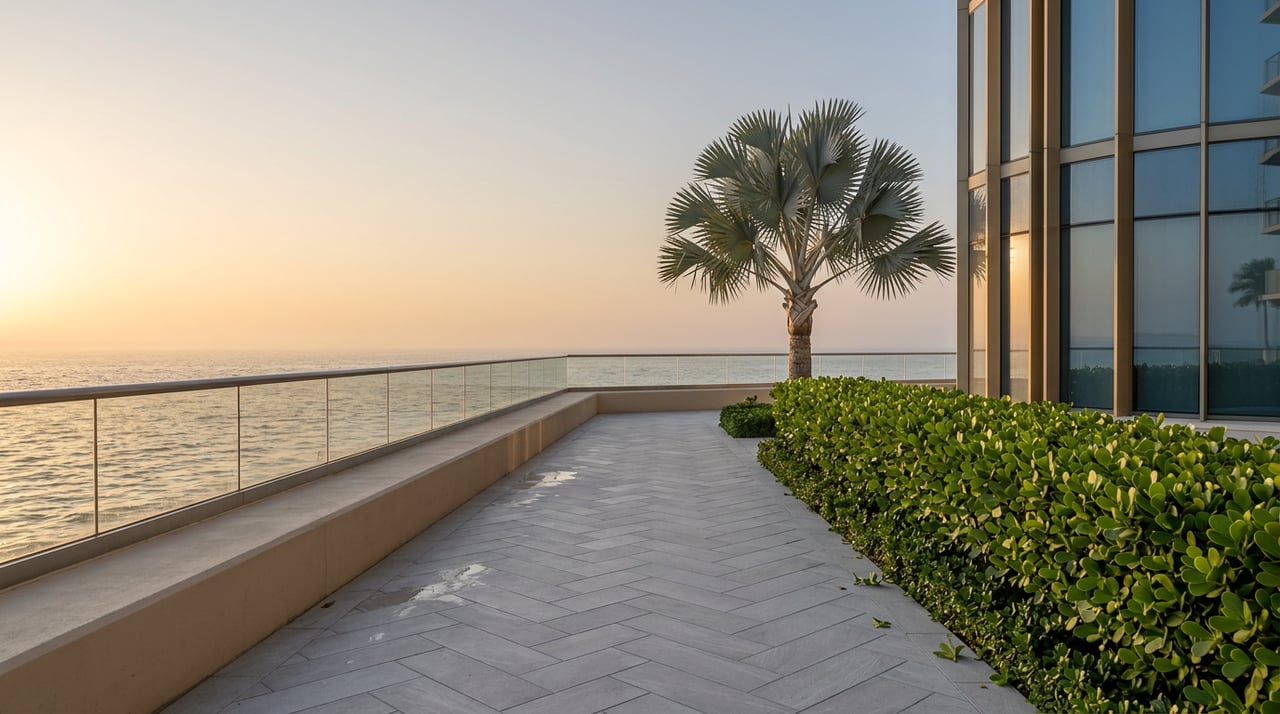
Brickell Key has a clear location advantage. It offers a more private, waterfront setting while staying close to Brickell and Downtown Miami through quick bridge access. For many renters, that creates a rare mix of calm residential living and easy access to the urban core.
That convenience matters because the surrounding business district remains active. In Q1 2025, Brickell Avenue Class A office asking rents reached $107.86 per square foot, with vacancy at 15.1%. At the same time, Miami metro office-using employment totaled 797,500 jobs in April 2025, with growth in professional and business services and finance.
In practical terms, that supports a steady renter base made up of professionals, executives, and other high-income tenants who want to live near work without giving up privacy or waterfront views. For owners and investors, this is one of the key reasons Brickell Key continues to hold attention as a luxury rental submarket.
Brickell Key does not serve the full Miami renter pool in the same way a broader urban neighborhood might. Demand here is more selective and tends to come from a narrower, higher-income audience. That is important if you are evaluating the kind of unit to buy, furnish, or hold.
A 2025 Downtown Miami residential analysis found that 48% of new-construction condo sales were to international buyers. Of those international buyers, 92% came from Latin America, and Brickell had the largest share of Latin American buyers within the downtown sample at 99%.
Those patterns point to three likely renter groups on Brickell Key:
This matters because each group rents differently. A nearby executive may want an annual lease and quick move-in. A part-time international owner may prioritize flexibility and building ease. A second-home owner may care most about preserving the unit while generating some income during vacant periods.
Miami has year-round housing demand, but Brickell Key still experiences seasonal shifts. If you are planning lease timing, pricing strategy, or furnished rental use, this pattern is worth watching.
Winter and early spring are usually the strongest demand window. Downtown Miami hotel occupancy reached 78.8% in January 2025 and 82.2% in March 2025, then dropped to 62.5% in September 2025. That supports the broader pattern of stronger activity in the cooler months and softer conditions in late summer.
For furnished and part-time use, booking behavior also matters. Greater Downtown Miami short-term rental data showed an average daily rate of $331, average stays of 14 to 15 nights, and booking lead times of 30 to 40 days. While Brickell Key buildings often limit or prohibit this kind of use, the data still help explain why winter and early spring tend to be the busiest periods for demand.
This is the most important point for owners and buyers: on Brickell Key, condo rules often matter more than neighborhood demand. Two units with similar views and layouts can perform very differently if their buildings have different lease restrictions.
Miami-Dade defines a short-term vacation rental as a unit rented for less than 30 days or one calendar month, whichever is less. The City of Miami also treats short-term rental as a lodging use that requires zoning eligibility, a Certificate of Use, and compliance with the city application process. Within municipalities, businesses may also need both city and county receipts.
But even if city and county rules allow a use in theory, the condo association may be more restrictive. On Brickell Key, published building rules vary widely:
That is why broad neighborhood averages can mislead you. Before you estimate income potential, you need to verify building rules, lease frequency limits, screening requirements, and move-in procedures.
Not every Brickell Key condo fits the same renter profile. The unit mix in each building helps determine who is most likely to rent there and how quickly a unit may lease.
For example, Isola is heavily weighted toward smaller homes, with 150 one-bedroom units, 149 two-bedroom units, and just 1 three-bedroom unit. Carbonell has a wider range, from one-bedroom to four-bedroom homes, with floor plans from 1,031 to 2,591 square feet.
This difference affects demand. Smaller units often appeal more to individual professionals or couples seeking proximity to Brickell offices. Larger homes tend to attract longer-stay tenants, second-home users, or households looking for more space and a more residential feel.
If you are choosing between buildings, this is a practical lens to use:
Many buyers want to know whether Brickell Key clearly outperforms mainland Brickell as a rental play. Public data suggest the answer is more balanced than many assume.
Realtor.com reports a median rent of $4,300 per month on Brickell Key, compared with $3,775 in Brickell. Median listing prices were $822,000 on Brickell Key versus $734,500 in Brickell. Using those medians as a rough gross-yield proxy produces about 6.28% for Brickell Key and 6.17% for Brickell.
That gap is only about 0.11 percentage points. In other words, Brickell Key does not appear dramatically better on public gross-yield proxy data alone. Its appeal may be more about exclusivity, lower listing volume, and a distinct renter profile than a major yield premium.
There is another layer here. Brickell Key had far fewer rental listings, 113 compared with 1.32K in Brickell, and a longer median days on market figure, 114 days versus 92 days. That suggests a tighter and more niche market, but not necessarily a faster one.
Neighborhood averages are useful for context, but Brickell Key is really a building-by-building market. Public rental medians show just how wide the spread can be.
Nearby medians ranged from $2,950 at Isola to $5,800 at Courts at Brickell Key. Courvoisier Courts was listed at $5,000, and One Tequesta Brickell Key at $4,849. That kind of variation highlights how much outcomes depend on unit size, view, amenity package, building age, and association friction during application and move-in.
If you are evaluating a purchase for rental use, focus on these factors before you focus on island-wide averages:
So, what is the big picture? Brickell Key shows solid rental demand, but it is selective, rules-driven, and highly building-specific. This is not a plug-and-play nightly rental market in most buildings.
Instead, Brickell Key is better understood as a luxury submarket that tends to fit longer-hold leasing, furnished mid-term use where permitted, or carefully structured annual leasing. The strongest opportunities often come from matching the right building and unit type to the right renter profile.
For some owners, that may mean targeting a professional tenant who values privacy near Brickell offices. For others, it may mean positioning a residence for a part-time owner or second-home user who wants flexibility within association limits. The key is not just buying on Brickell Key. It is buying with the rules, timing, and target user in mind.
If you want a more precise read on a specific building, unit type, or rental strategy on Brickell Key, Fajer International Realty can help you evaluate the opportunity with a hands-on, investor-focused approach.
Stay up to date on the latest real estate trends.


At Fajer International Realty, we are committed to bringing our clients to another level as representatives of investors, developers, buyers, or sellers. Get in touch today!