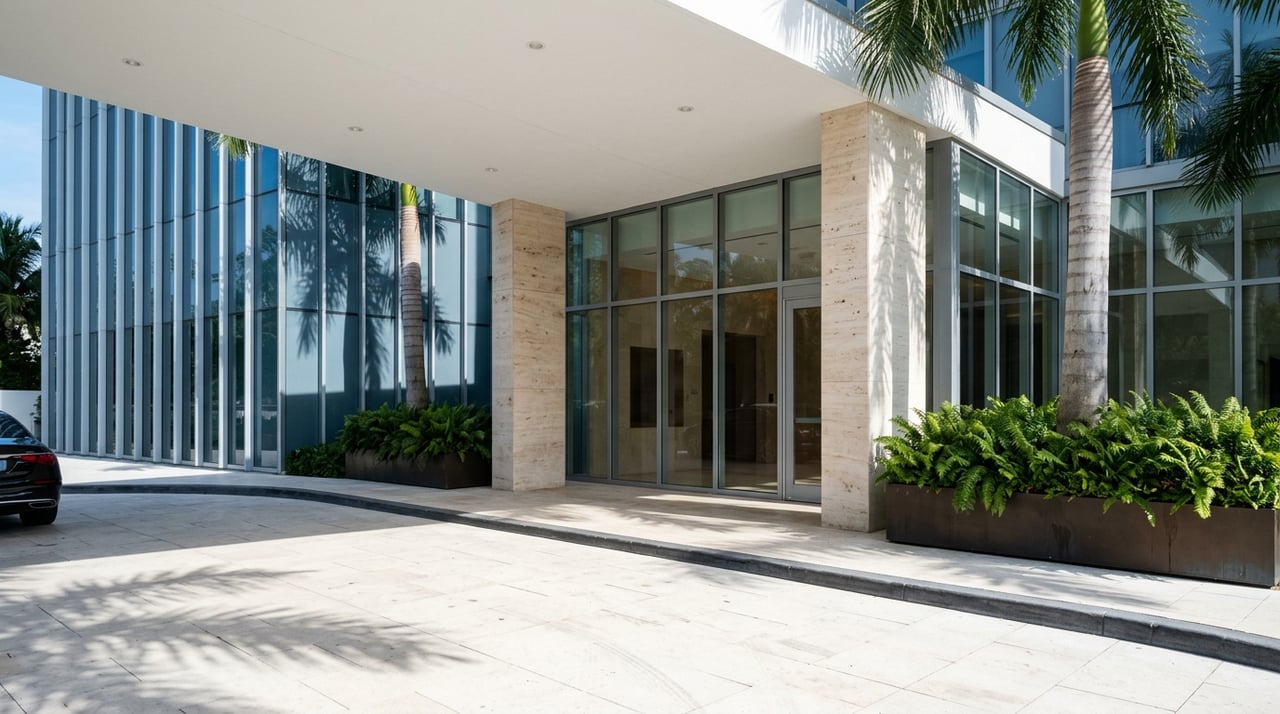
Miami Beach Condo Hotel Investment Evaluation Guide
Thinking about a Miami Beach condo-hotel investment? The opportunity can look simple on the surface: buy a unit, place it in a rental program, and enjoy personal use when you want it. In reality, condo-hotel purchases require careful review of zoning, association rules, local registrations, management agreements, and financing limits. If you are comparing options in Miami Beach, this guide will help you evaluate the structure, risks, and questions that matter most before you move forward. Let’s dive in.
A condo-hotel, often called a condotel, is a property that operates like a hotel even though individual units are separately owned. According to HUD guidance on condotel projects, these properties may include hotel-style registration services and rentals on a daily, weekly, or monthly basis.
That distinction matters because a condo-hotel is not the same as a standard condominium with flexible rental rights. In Miami Beach, the operating model, local approvals, and financing treatment can be very different from what you would expect in a typical residential condo purchase.
Before you evaluate projected income, you should confirm whether the property can legally operate for short-term or transient rentals. The City of Miami Beach vacation and short-term rental rules state that short-term rentals are allowed only in certain zoning districts and are prohibited in single-family homes and many multifamily buildings.
That means you should never assume a hotel-branded or resort-style building is automatically approved for this use. Miami Beach also provides a Certificate of Use and resort tax compliance page that explains approved properties still need the proper registrations and city requirements before operation.
For many Miami Beach condo-hotel or transient rental scenarios, buyers should verify that the property has or can obtain:
The city says the association letter for an individual condo unit must be dated within the last 60 days. It also notes that BTR numbers and resort tax certificate numbers must appear in advertisements for qualifying short-term rentals.
Miami Beach imposes a 4% resort tax on transient room rentals of six months or less, according to the city’s resort tax guidance. The same city resource also says BTRs for transient rental activity are issued only to unit owners, not tenants.
For buyers considering second-home use, there is another practical issue to keep in mind. Miami Beach’s short-term rental checklist notes that short-term renting can affect homestead exemption status, which may influence how you compare condo-hotel ownership with a more traditional condo purchase.
Many buyers focus on the headline revenue split, but the management agreement often tells the real story. In condo-hotel investments, your net outcome may depend as much on restrictions and deductions as on nightly rates.
Florida licensing rules allow a management company to act as a licensed agent when the owner authorizes it through a rental agreement or contract. You can review that framework in the Florida public lodging licensing rules, but the key takeaway is simple: the contract controls how the unit is marketed, booked, and operated.
When you evaluate a Miami Beach condo-hotel opportunity, pay close attention to:
These details can change the investment profile in a major way. A unit that looks attractive on gross income may perform very differently once fees, restrictions, and operator controls are fully understood.
One of the most important parts of evaluating a Miami Beach condo-hotel investment is understanding whether financing is even realistic. In many cases, conventional and FHA financing are limited or unavailable for projects that function like hotels.
Fannie Mae’s condo project guidance says it cannot finance projects that operate as a hotel or motel, or that manage daily or short-term rentals, even when units are individually owned. Freddie Mac’s condominium mortgage FAQ also identifies condominium hotels and similar transient housing as ineligible, and states there are no exceptions once a project is marked Not Eligible.
HUD guidance is similar. The same HUD resource on condotels lists condotels as ineligible, and FHA rules also require investment properties using FHA-insured financing not be used for hotel or transient purposes or rented for periods under 30 days.
Even if a property is not obviously operating as a condo-hotel, financing can still be affected by project-level issues. Fannie Mae notes that inadequate insurance, critical repairs, and significant litigation are common reasons a project may be ineligible, and it reported that 3.6% of projects had an ineligible status as of August 2025 through its condo review system.
Freddie Mac also says that if it cannot determine whether a project needs critical repairs, the project is not eligible for delivery. For buyers, that means financing review should happen early, not after you have already built your plan around a specific building.
If financing matters to your purchase, use the official project-review tools as early as possible:
These tools can help surface project eligibility issues before you commit time and capital to a transaction that may not fit your financing strategy.
This is one of the most important distinctions in Miami Beach. Some properties are clearly structured and operated as condo-hotels. Others may be standard condominiums that allow rentals, but not necessarily under a hotel-style operating model.
That difference affects everything from financing and resale liquidity to owner use and compliance. If a building has mandatory rental pooling, hotel-type services coordinated by the HOA or operator, shared amenities with a hotel, or revenue-sharing arrangements, Freddie Mac treats those features as key condo-hotel signals in its project eligibility guidance.
If you are evaluating a condo-hotel purchase in Miami Beach, start with a structured review instead of relying on marketing language. The city, HUD, Fannie Mae, and Freddie Mac materials point to a set of questions that can help you assess the opportunity more clearly.
Each of these questions helps you move from a lifestyle pitch to an investment analysis. That is especially useful if you care about hands-off ownership, predictable use rights, and a clean exit strategy later.
Miami Beach condo-hotel investments sit at the intersection of city zoning, building rules, tax registration, management structure, and lender policy. Those pieces do not always line up neatly, and a property that looks straightforward online may require a deeper review before it fits your goals.
That is where a careful, local, investor-focused approach adds value. You want to confirm not only what the building markets, but also what the governing documents, city requirements, and financing standards actually allow.
If you are considering a condo-hotel or high-end investment property in Miami Beach, Fajer International Realty can help you evaluate the opportunity with a concierge-level, investor-minded approach, including buyer representation and rental-management or property-management guidance where applicable.
Stay up to date on the latest real estate trends.







At Fajer International Realty, we are committed to bringing our clients to another level as representatives of investors, developers, buyers, or sellers. Get in touch today!