Thinking about buying pre-construction in Sunny Isles Beach but unsure how deposits, timelines and exit options really work? You are not alone. Many investors, especially international buyers, love the idea of a beachfront address yet want clarity before wiring funds. In this guide, you will learn how Sunny Isles pre-construction works, what protections Florida law provides, the risks to price in, and the strategies investors use to exit profitably. Let’s dive in.
Why Sunny Isles pre-construction
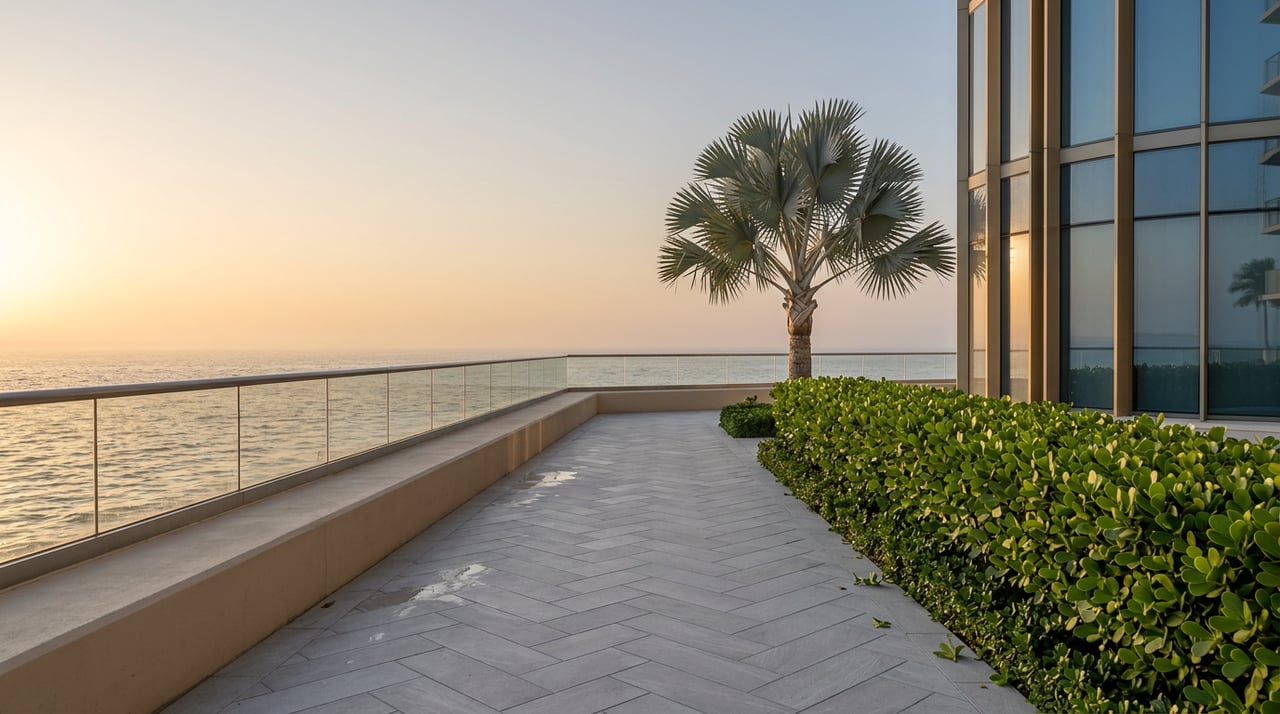
Sunny Isles Beach is a tight, oceanfront high-rise market in Miami-Dade. Inventory skews to branded, amenity-rich towers that attract both end users and global investors. Think of names like Porsche Design Tower, Armani/Casa, Jade Signature and Turnberry Ocean Club. The appeal is simple: limited beachfront land, hospitality-grade amenities and strong international interest.
International demand matters for liquidity. According to a February 2025 report from MIAMI REALTORS®, South Florida’s share of foreign buyer activity is about five times the U.S. average, reinforcing the role global capital plays in new construction and resales across the region. You can review that international buyer report for context on cross-border demand patterns and why global exposure supports resale options in Miami’s luxury submarkets here.
How the pre-construction process works
The typical flow in Sunny Isles and broader Florida looks like this:
- Reservation: You place a small, often refundable deposit to hold a unit and price while the purchase agreement is prepared.
- Contract: You sign the purchase agreement and fund the initial contract deposit per the schedule.
- Staged deposits: Additional deposits are called by date or construction milestones.
- Construction: Groundbreaking, vertical progress, topping out and interior finishes.
- Closing: After the building obtains a certificate of occupancy, you close and take title.
Florida condominium law sets disclosure and escrow requirements for developers and gives buyers rights if required documents are not delivered on time. You can read the governing statute in Chapter 718 of the Florida Statutes here.
Example deposit timeline
Every project is different, but high-end Sunny Isles launches often follow a staged pattern. Here is an illustration you can use to plan cash flows. Always confirm exact terms in the offering statement.
- Reservation: token amount or 10–250k, credited to the contract deposit.
- Contract signing within 10–30 days: funds total about 10% of the purchase price.
- Groundbreaking: +10% (about 20% cumulative).
- Mid-construction or topping out: +10% (about 30% cumulative).
- Pre-closing: +10% (about 40% cumulative).
- Closing: remaining balance, often 50–60%.
Developer-published schedules for branded towers in the area, such as Bentley Residences, show staged deposits with a large balance due at delivery. See an example of a branded project overview here.
Your deposits and escrow protections
Florida law requires strict handling of buyer funds before closing. Under Chapter 718, the first 10% of the purchase price must be placed in escrow and is protected from developer use except under narrow conditions. Additional pre-closing payments are also subject to escrow rules and may only be released in specific situations, typically spelled out in your contract with conspicuous language. The statute also prescribes required disclosures and gives buyers defined cancellation rights if documents are not delivered as required. Review the statute’s escrow and disclosure sections here and verify the project’s escrow agreement before wiring any funds.
Practical tip: Reservation deposits are commonly refundable until you sign the purchase agreement. After you sign, the contract controls. Read the cancellation, assignment and default clauses with your attorney before you commit.
Evaluating developer strength and project risk
In a market defined by branded towers and global buyers, reputation and capitalization matter. Use this quick vetting framework:
- Developer track record: Look for on-time delivery, quality and warranty performance. Local examples include Dezer Development’s branded towers. Review their portfolio here.
- Offering materials: Confirm the developer has filed required disclosures with the state and obtain the public offering statement and escrow agreement. Florida’s condominium statute outlines required filings and voidability rights here.
- Construction financing: Ask for evidence of a construction loan or lender commitments. Equity-only builds carry a different counterparty profile than bank-financed projects.
- Permits and entitlements: Check city and county records for approvals and any commission actions. As one public example, the Sunny Isles commission’s approval process for a Jade Signature modification is documented in local press here.
- Title and survey: Confirm the developer’s ownership or option and check for liens before sending a reservation deposit.
Bring in a Florida-licensed real estate attorney early. A specialist buyer’s agent and counsel can review the contract, escrow instructions and disclosures to protect you before funds move.
Financing and carrying costs to model
Plan to fund staged deposits with cash. Most lenders fund at closing, not during construction. Confirm that your preferred lender accepts the building and timeline, and understand any developer preferred-lender programs available.
On-going costs deserve conservative modeling:
- Insurance and HOA assessments: Association insurance costs in Florida have risen sharply. New data from September 2024 indicates many condo associations have seen premiums double since 2022, a major driver of monthly dues and potential assessments. See the analysis here.
- Structural reserves: Florida now requires structural integrity reserve studies and minimum reserve practices for buildings over three stories, which shape budgets and assessment planning. Review the current statute language in Section 718.112 here.
- Flood and wind exposure: Oceanfront towers face higher flood and wind risks. Review FEMA flood maps, elevation data and premium ranges. For background on how Florida flood insurance pricing varies by risk, see this overview here. Use conservative assumptions when calculating yields.
Rental and short-term rules in Sunny Isles Beach
If rental income is part of your plan, two sets of rules apply:
- City licensing: Sunny Isles Beach requires a Short-Term Vacation Rental License for rentals under six months. Learn about license requirements, fees and penalties on the city’s page here.
- Building-by-building rules: Condominium declarations often restrict leasing. Many towers set minimum lease terms or prohibit short stays. Always obtain the condo bylaws and confirm whether a city STR license is possible for the specific unit. You can also reference the local code environment here.
The takeaway: Do not assume short-term rental income is allowed. Verify both city rules and the building’s declaration before you buy.
Exit strategies for investors
Investors in Sunny Isles typically use one of three paths to monetize a pre-construction purchase. Your contract and the building’s rules will determine what is feasible.
- Assignment sale before closing: Some projects permit you to assign your purchase contract to a new buyer before delivery, sometimes with a fee or developer consent. Assignments can move faster than waiting for delivery, but tax and withholding rules apply, especially for foreign sellers. If flipping is your goal, confirm the assignment clause and any developer policy in writing before reserving.
- Close and rent: If the declaration allows, you can close and rent the unit to a long-term tenant. Luxury towers may require longer minimum lease terms and application fees. Price in HOA dues, insurance and property management when modeling returns.
- Sell at delivery or hold: Many investors close, let the building stabilize and then sell to a global buyer pool. MIAMI REALTORS® reported in July 2025 that international buyers purchased 49% of South Florida new construction units, led by Latin American purchasers, underscoring the depth of cross-border demand. Review that report here.
Due-diligence checklist before wiring funds
Use this list to keep your process tight and defensible:
- Public offering statement/prospectus and the escrow agreement per Florida Statute Chapter 718. Confirm delivery timelines and your cancellation rights. Review the statute here.
- Full deposit schedule, escrow agent name, account location and written release conditions.
- Proof of construction financing or lender commitments, if applicable.
- City permit status and targeted groundbreaking date.
- Condominium declaration and bylaws showing leasing rules and any short-term restrictions. See local code context here.
- Initial or projected HOA budget and any structural reserve requirements that affect assessments. Statute reference here.
- Assignment rights and any developer fee or consent requirement if you plan to flip pre-closing.
- Cross-border tax plan: Understand FIRPTA withholding on sales by foreign sellers, U.S. income taxation of rent and potential U.S. estate tax exposure. Start with a plain-English overview of FIRPTA here and then engage qualified tax counsel.
How a curated, broker-led approach helps
A specialist buyer’s broker adds real advantages in Sunny Isles pre-construction:
- Early access: Priority invitations, model-unit previews and developer updates so you can reserve better lines and views.
- Side-by-side project analysis: Deposit schedules, developer track records, resale comps and leasing rules compared in one place.
- Deal terms and protections: Guidance on refundable milestones, assignment windows and contract provisions to negotiate.
- End-to-end execution: Coordination with attorneys, title, escrow and property management so you can invest from abroad with confidence.
- Cross-border support: Bilingual communication, WhatsApp coordination and introductions to lending and tax professionals.
You deserve a team that treats your capital with care and makes the process simple. If you want a clear, customized plan for Sunny Isles pre-construction, connect with the team at Fajer International Realty to schedule a private consultation.
FAQs
What is a typical Sunny Isles pre-construction deposit schedule?
- Many luxury projects use staged deposits that total about 30–40% before closing, with the 50–60% balance due at delivery. Always verify the exact schedule in the project’s offering materials.
Are my deposits protected under Florida law?
- Yes. Under Florida’s condominium statute, the first 10% must be held in escrow and strict rules govern any additional pre-closing funds and disclosures. Review Chapter 718 here.
Can I do short-term rentals in Sunny Isles Beach?
- The city requires a Short-Term Vacation Rental License for rentals under six months and many condo buildings restrict or prohibit short stays. Confirm both the city rules here and the condo bylaws for your unit.
How do insurance and reserve rules impact my returns?
- Association insurance premiums in Florida have risen significantly since 2022, and state reserve rules add budgeting discipline that can increase dues. See the 2024 insurance cost analysis here and reserve statute here.
As a foreign investor, what should I know about taxes when selling?
- Sales by foreign persons can trigger FIRPTA withholding, which is a percentage of the gross sale price unless an exception applies. Start with this overview here and consult cross-border tax counsel.
How can I gauge a developer’s reliability before I commit?
- Review the developer’s completed projects, delivery track record and disclosures filed under Florida law. For a local portfolio example, see Dezer’s projects here and confirm the required filings under Chapter 718 here.