Thinking about buying in Coral Gables but not sure where to start? You are not alone. The Gables blends historic charm with modern living, and the options can feel overwhelming when you are new to Miami. In this guide, you will learn the core housing types, how budgets map to inventory, condo versus single‑family tradeoffs, typical timelines from offer to close, and lifestyle cues like commute and seasonality. Let’s dive in.
Coral Gables at a glance
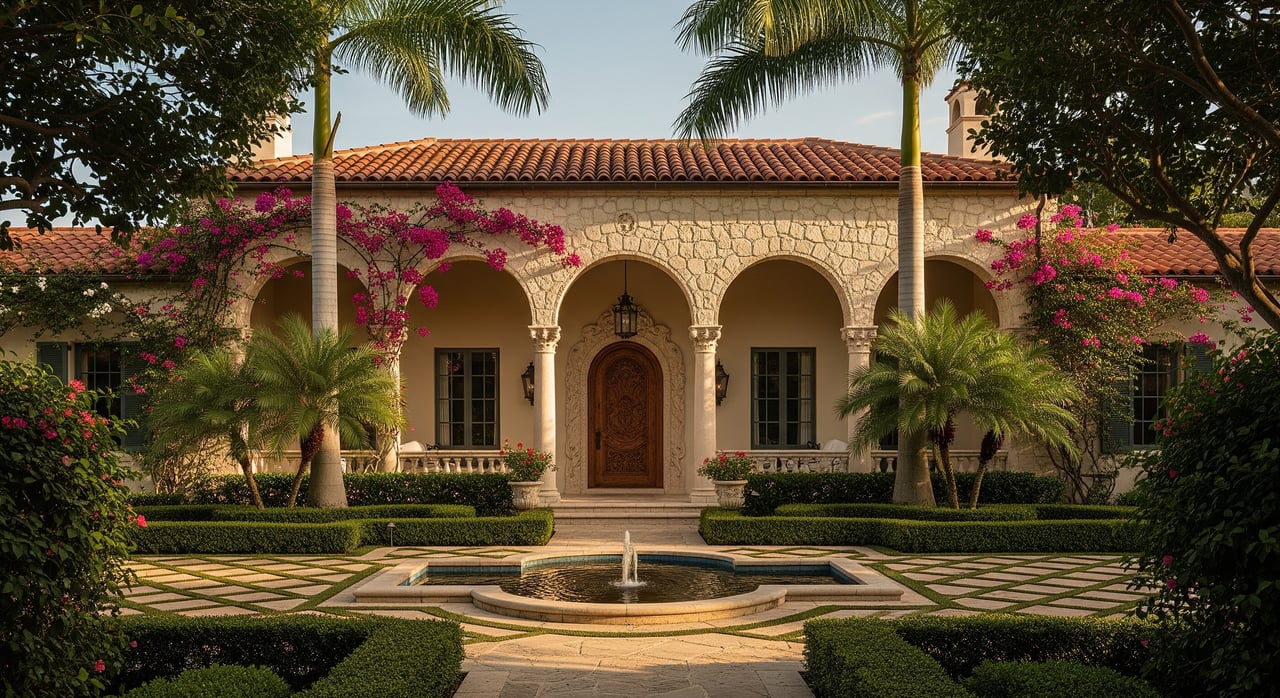
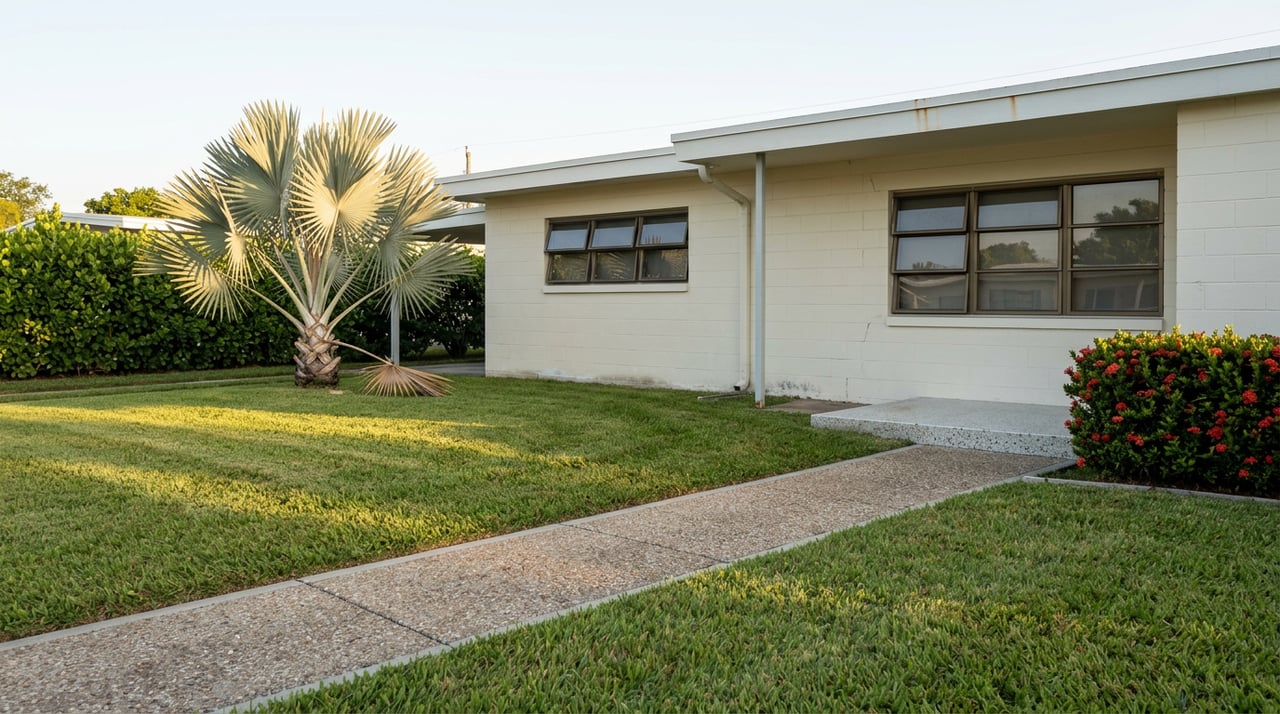
Coral Gables is an established city that took shape in the 1920s. You will see tree‑lined streets, Mediterranean‑Revival architecture, and a cohesive downtown anchored by Miracle Mile and the Biltmore area. Many central neighborhoods feature homes built in the early to mid‑20th century alongside newer renovations and infill.
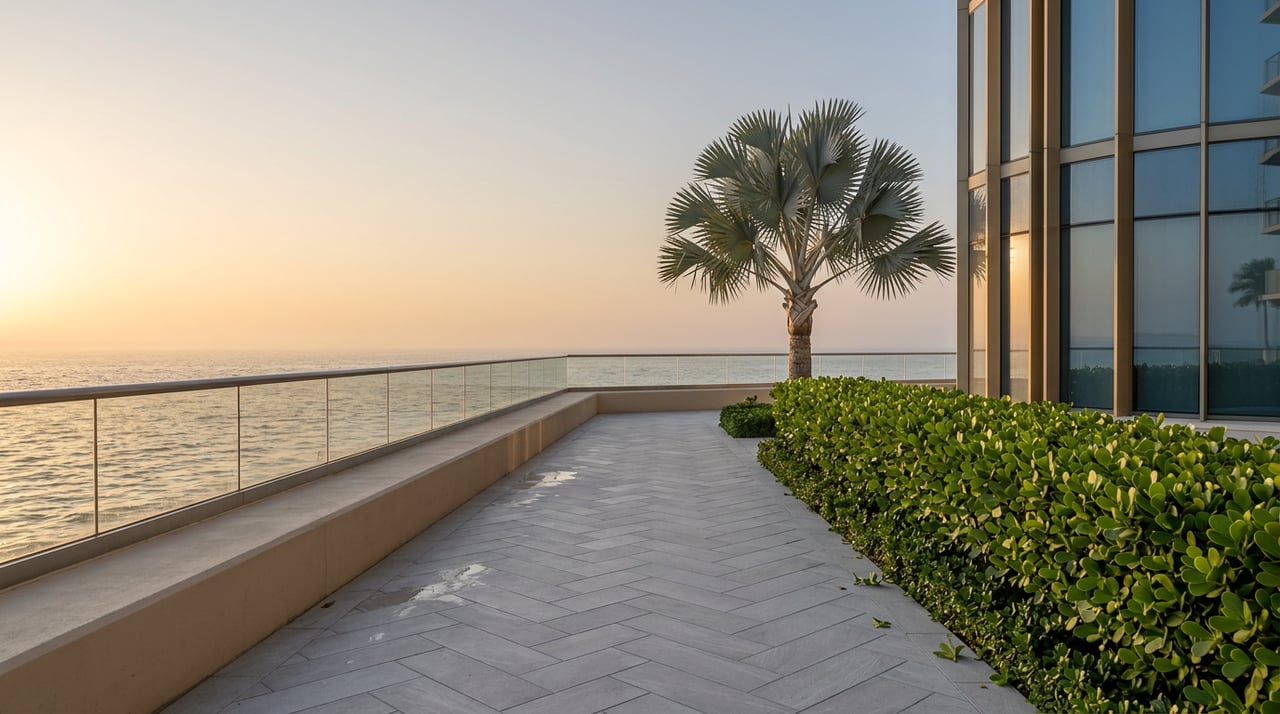
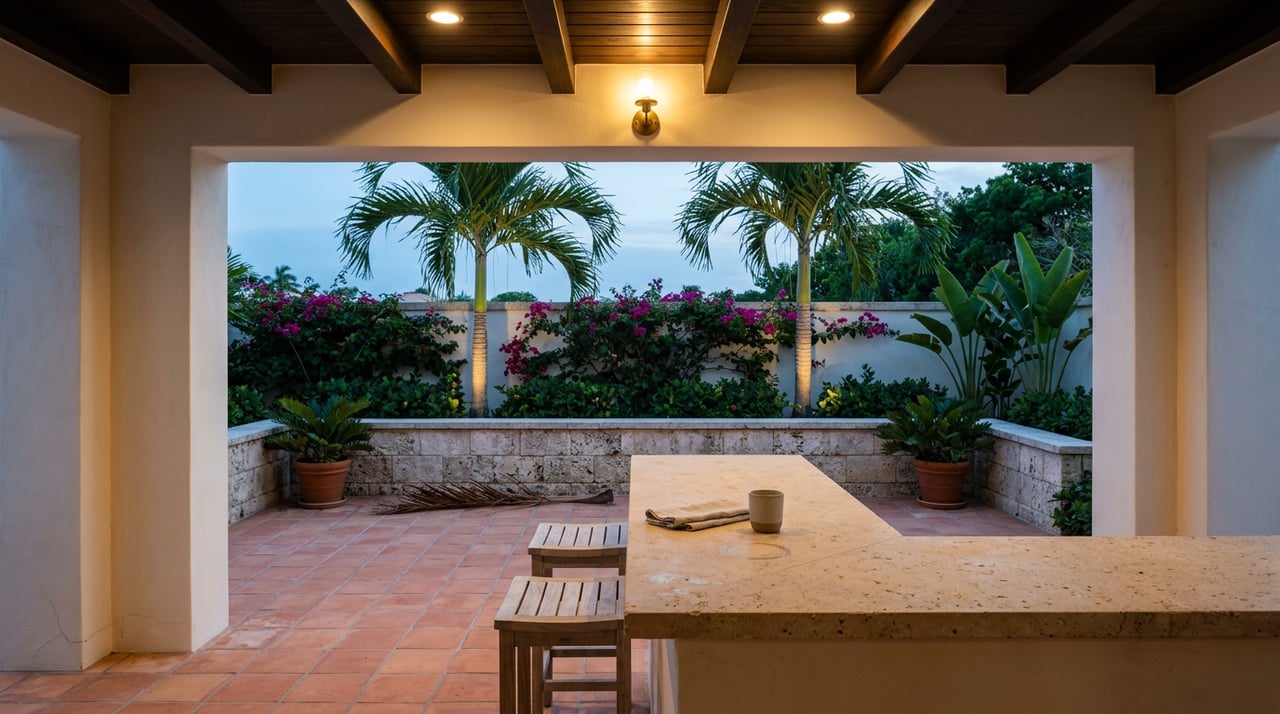
Waterfront gated enclaves, like Gables Estates and Cocoplum, sit apart from the denser downtown condo corridors. Expect larger lots and estate‑style homes near the water, and a more vertical, amenity‑driven lifestyle closer to shopping and dining hubs.
Housing types you will see
- Single‑family homes
- Range from historic cottages to large modern estates on generous lots. Many are owner‑occupied, and some are investor‑owned where renovation potential exists.
- Townhouses and garden‑style condos
- Often low‑rise communities with shared amenities and monthly HOA fees.
- Mid‑ and high‑rise condominiums
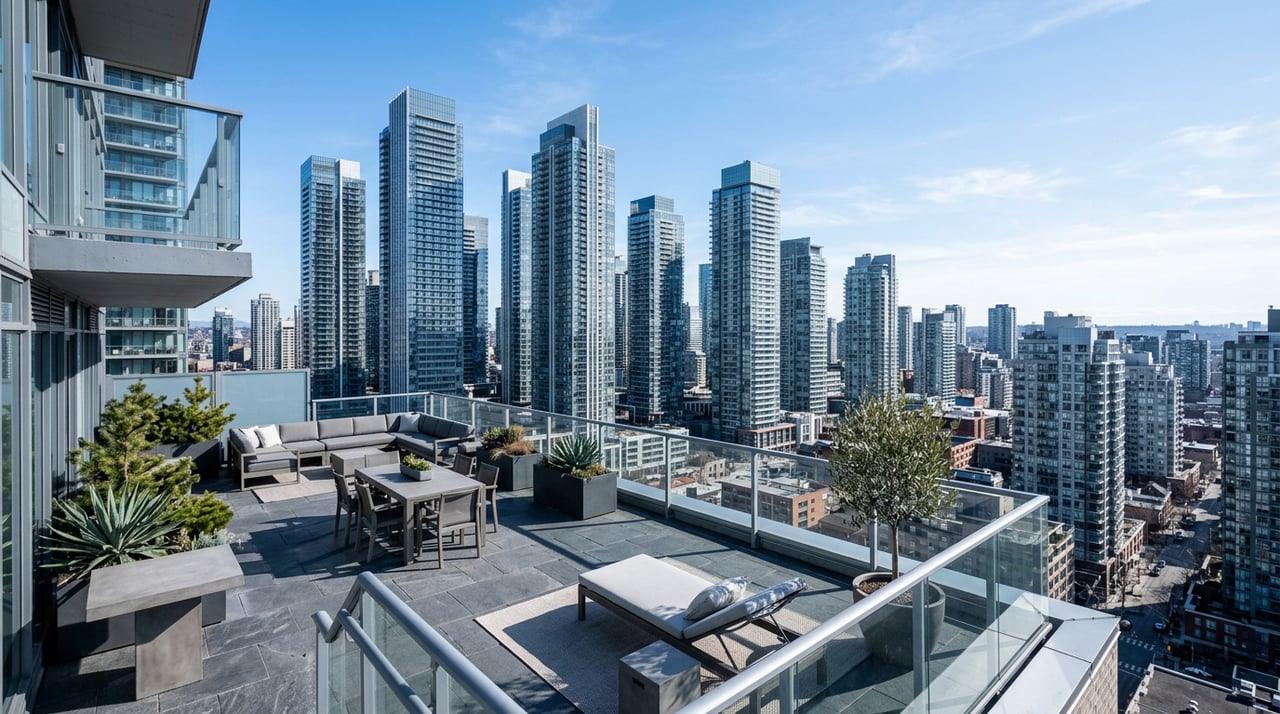
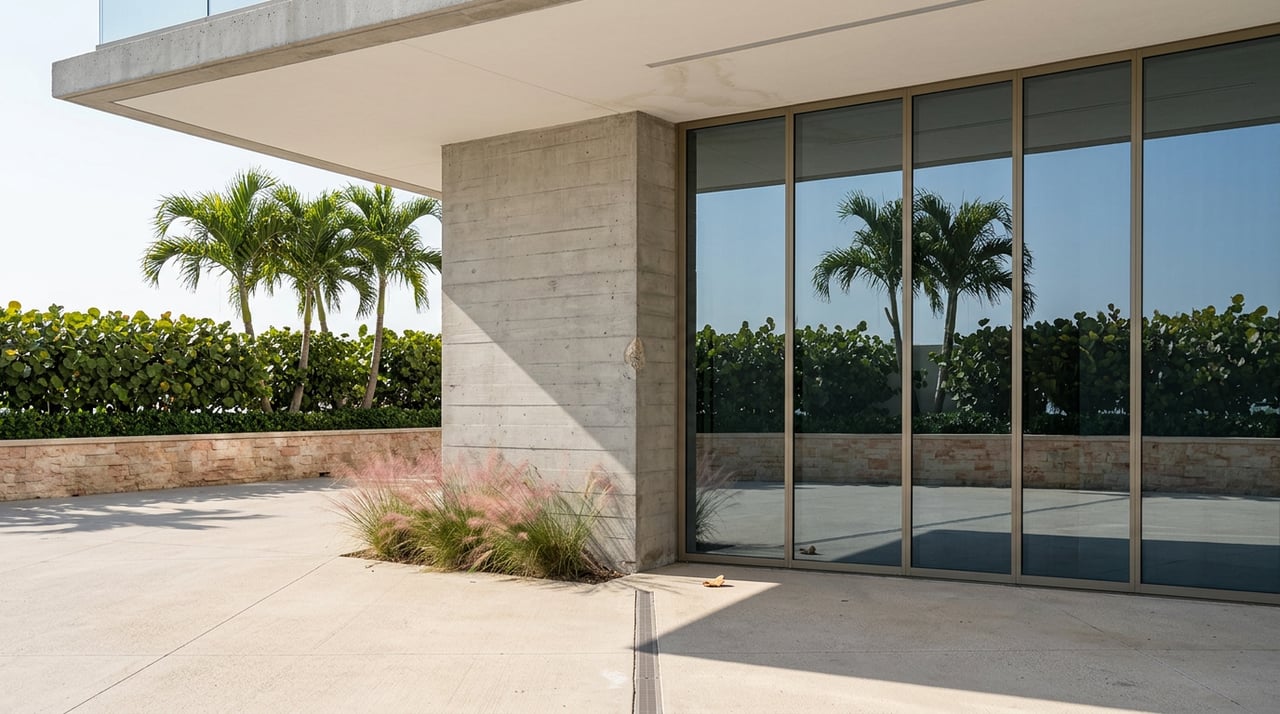
- Concentrated near Miracle Mile and Merrick Park. Options span compact 1‑bedroom units to luxury full‑service residences.
- Luxury waterfront estates
- Limited inventory, highly sensitive to tide, view, and lot size.
- Mixed‑use and select live/work spaces
- Found around commercial nodes and newer infill projects.
What this means for you
- Maintenance and control
- Single‑family homes put exterior upkeep in your hands. Roof, systems, pool, and landscaping are your responsibility.
- Condos and townhomes shift exterior work to the association, but HOA rules, reserves, and special assessments matter a lot.
- Historic and design review
- Parts of the city require design review for exterior changes. If remodeling is a priority, confirm requirements with Coral Gables historic and planning departments early.
Price bands and buyer fit
Coral Gables is a premium submarket within Miami‑Dade. While exact numbers shift month to month, the pattern is consistent: smaller condos often form the entry point, townhomes and modest single‑family homes sit in the mid‑market, renovated homes and luxury condos are higher, and waterfront estates occupy the top tier. For current medians and trends, use the Miami Association of REALTORS market reports and Florida Realtors housing market data.
Who typically buys what
- Out‑of‑market singles and young professionals
- Often target smaller condos near commercial corridors for walkability and amenities.
- Families
- Usually focus on single‑family homes with yards and privacy. Some consider townhomes for lower exterior upkeep.
- Move‑up buyers and empty nesters
- Favor renovated mid‑century homes or full‑service luxury condos.
- Investors and second‑home owners
- Seek condos with clear rental rules or high‑end residences near downtown cores, subject to city zoning and HOA restrictions. Always verify short‑term rental rules before underwriting income.
Why pricing varies
Lot size, waterfront status, historic designation, building amenities, HOA reserve health, and proximity to retail and schools all drive spreads. The city’s limited developable land and strong demand from seasonal and international buyers also support values.
Condo vs single‑family tradeoffs
Costs and financing
- Purchase price and carrying costs
- Condos can offer a lower entry price in some areas, though HOA fees are ongoing and can rise. Special assessments are a risk to evaluate.
- Single‑family homes eliminate most HOA fees but add full responsibility for roof, exterior, pool, and landscape. Property taxes and maintenance can be higher.
- Insurance
- The Florida insurance market is volatile, and premiums for homeowners, wind, and flood can be higher statewide. Condos often carry a master policy for the building, while you insure the interior and contents. Review coverage details and get quotes early through guidance from the Florida Office of Insurance Regulation and the Florida Department of Financial Services at MyFloridaCFO.
- Flood exposure varies. Check a property’s flood zone status via the FEMA Flood Map Service Center and request quotes before your inspection period expires.
- Financing
- Lenders apply specific underwriting to condos, including project eligibility, owner‑occupancy ratios, reserves, and litigation status. Some buildings may require larger down payments or different loan products. Get pre‑approved with a lender experienced in Miami‑Dade condos.
Due diligence checklist
- For condos
- Analyze HOA financials, budgets, reserves, meeting minutes, and any pending litigation. Review special assessments and rental policies. Confirm the building’s insurance and reserve posture aligns with your lender’s requirements.
- For single‑family homes
- Review title survey, boundaries and easements. Confirm sewer versus septic. Consider trees and landscaping restrictions, and confirm whether historic protections affect renovation plans.
- Inspections
- Order a general home inspection, plus roof, pest, and any needed specialty inspections. For condos, inspect the unit interior and rely on association documents and available building reports to understand exterior and structural conditions.
Lifestyle and rules
- Condos
- Lower exterior maintenance, security, and amenities suit a lock‑and‑leave lifestyle. Review house rules for pets, rentals, renovations, and guest policies.
- Single‑family
- More privacy and outdoor space with greater freedom to remodel, subject to city permitting and any historic or neighborhood rules.
- Short‑term rentals
- City zoning and HOA rules govern rentals. Many associations restrict short‑term stays. Confirm both before assuming rental income.
Timeline from offer to keys
Every transaction is unique, but typical ranges help you plan.
- Pre‑offer
- Mortgage pre‑qualification or pre‑approval can take several days to a couple of weeks depending on documentation. Do this before touring so you can move quickly.
- After acceptance
- Cash purchases often close within 7 to 21 days, subject to title and seller timing.
- Financed purchases commonly close in 30 to 45 days, depending on underwriting and condo documentation.
Key early deadlines
- Inspection period: often 7 to 15 days from acceptance, negotiated in the contract.
- Financing commitment: commonly 21 to 30 days, though lender processing may require more time.
- Title and survey: ordered early, often parallel to underwriting.
- Condo document review: allow extra time if a lender or buyer requests additional building documentation.
Steps in order
- Offer and negotiation, with earnest money deposited to escrow.
- Inspections and any repair or credit negotiations.
- Appraisal and lender underwriting for financed deals.
- Title search, insurance quotes, and condo or HOA document review as applicable.
- Final walk‑through and closing statement review.
- Sign closing documents at the title company or attorney, then deed recording.
- Post‑closing: utilities, HOA handoffs, and move‑in.
Costs to expect
- Buyer closing costs include lender fees, title charges, recording, prorated taxes, and any HOA transfer or resale fees. Total typically lands in the low single digits to several percent of the price, depending on loan type and negotiations.
- Earnest money is customary and negotiated as a percentage of the purchase price.
- Local custom on certain taxes and fees can vary in South Florida. A local title company or attorney will outline what is typical for Coral Gables.
For property records and tax history, the Miami‑Dade County Property Appraiser is a helpful resource.
Seasonality and timing
Miami’s high season generally runs from November through April. Buyer activity increases, inventory can tighten, and competition may rise. Summer often brings softer demand and more selection, which can help buyers negotiate.
Nationally, spring is busy. In warm‑weather markets with seasonal residents, late fall and winter can also be peak periods. If you are planning a scouting trip, expect a faster pace and more showings in high season. If flexibility is important, visiting off‑season can simplify logistics and reduce pressure.
Commute, transit, and walkability
Coral Gables sits near major job centers and Miami International Airport. Under typical traffic conditions, you can often reach Brickell or Downtown Miami in about 10 to 25 minutes and MIA in about 10 to 20 minutes. Rush hours can extend these times, so plan accordingly.
Public transit options include local bus service and a free city trolley in parts of Coral Gables. Metrorail access is limited within the city, and many neighborhoods still favor driving for daily errands. For route planning, see Miami‑Dade Transit. For address‑level walkability, use Walk Score to compare neighborhoods near Miracle Mile and Merrick Park to more residential areas.
Flood and resilience basics
Rising seas and seasonal storms are part of Miami‑Dade life. Some Coral Gables properties lie within FEMA flood zones. This can affect insurance costs and loan requirements.
- Check a property’s flood zone designation using the FEMA Flood Map Service Center.
- Ask your insurance agent for homeowners, wind, and flood quotes during your inspection period.
- If you are buying a condo, understand what the master policy covers versus your interior policy.
A simple checklist for newcomers
- Get pre‑approved with a lender experienced in Miami‑Dade, especially for condos.
- Align your budget with likely options using current data from Miami REALTORS market reports and Florida Realtors housing data.
- If considering a condo, review HOA financials, reserves, minutes, insurance, and rental rules.
- Order insurance quotes early, including flood where applicable, and consult the Florida Office of Insurance Regulation for market guidance.
- Engage a local title company or attorney familiar with Coral Gables norms.
- Confirm any historic or design review requirements before planning renovations.
- Use Miami‑Dade Transit and Walk Score to gauge commute and walkability around your target addresses.
Final thoughts and next steps
Buying in Coral Gables is about fit. Once you match your lifestyle and budget to the right housing type, the process becomes straightforward. Whether you want a walkable condo near Miracle Mile or a private single‑family retreat, thoughtful preparation around financing, insurance, and due diligence will set you up for a smooth closing.
If you are exploring Coral Gables from out of market or abroad, you deserve a clear, high‑touch experience. Connect with Fajer International Realty to schedule a Private Consultation. Our boutique, bilingual team provides concierge guidance for buyers and investors, with access to curated inventory and integrated rental and property‑management programs that make ownership simple.
FAQs
What should a first‑time Coral Gables buyer expect to spend?
- Coral Gables is a higher‑cost area within Miami‑Dade, with smaller condos often forming the entry point and single‑family homes pricing higher; check current figures via the Miami REALTORS and Florida Realtors market reports.
Are Coral Gables condos harder to finance than houses?
- Some condo buildings face stricter lender rules on reserves, occupancy, and litigation, so get pre‑approved with a lender experienced in Miami‑Dade condos early.
How long does closing usually take in Coral Gables?
- Cash purchases often close in 7 to 21 days, while financed deals typically take 30 to 45 days, depending on underwriting and any condo documentation.
What extra costs should I budget for in Florida?
- Plan for homeowners, wind, and flood insurance, HOA fees and potential special assessments for condos, property taxes, closing costs, and escrowed items.
Is flooding a concern in Coral Gables?
- Some areas lie within FEMA flood zones and can see street flooding during heavy storms; check the FEMA flood map and obtain quotes for flood insurance.
Can I rent my Coral Gables property short term?
- It depends on city zoning and HOA rules, and many associations restrict short‑term rentals, so confirm policies before assuming rental income.