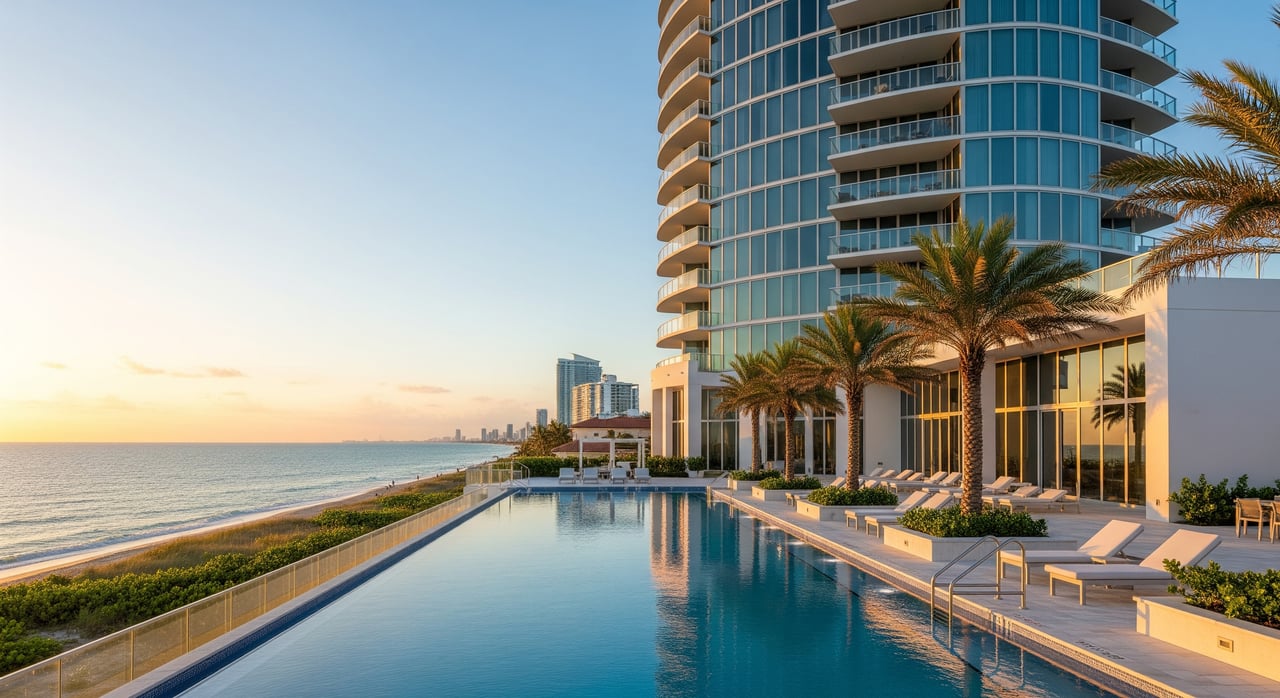
Sunny Isles Branded Residences: ROI Basics & Metrics
Is a luxury brand on the building really worth a higher price in Sunny Isles Beach? If you are weighing Porsche- or hotel-flagged towers against top non-branded condos, the answer depends on how the brand changes pricing, absorption, rentals, and your exit options. You want clarity before you wire deposits or commit to a presale. In this guide, you will learn simple ways to measure a brand premium, what to request from the developer, and how to stress-test returns in Sunny Isles Beach and nearby Miami submarkets. Let’s dive in.
Branded residences are condominiums sold to private owners that carry a luxury name. The brand can be a hotel group, automaker, or design house. In practice, you will see three formats in Sunny Isles Beach:
Sunny Isles attracts this product because it is a luxury waterfront micro-market with international buyers, strong tourism, and a track record of high-profile towers. Local examples include well-known automotive-branded projects that offer unique features, like private car elevators, which help a building stand out to a global audience.
A strong brand can support higher launch prices. Buyers often pay for perceived quality, a full service package, and the brand’s reach to global high-net-worth audiences. Pricing can also reflect unique architecture or amenity sets that are hard to replicate.
To measure the effect, compute a branded premium using like-for-like comparables:
Industry research finds branded launches often command a premium at initial sales. Resale premiums are less consistent and tend to depend on quality of operations, supply, and market cycle.
Branding can accelerate presales because a recognized flag and loyalty databases expand the buyer pool. Global marketing and PR also help. Faster sell-through can reduce your delivery risk in early phases.
Still, higher prices can narrow the pool. If pricing overshoots demand, absorption slows. To gauge traction, review sell-through percentages during launch phases, days on market after closings begin, and the split between end users and investors. Compare these metrics to non-branded launches in the same window.
If the building allows a hotel or short-term rental program, branding can lift average daily rate and occupancy by tapping the operator’s distribution and guest expectations. That upside comes with fees and revenue splits that reduce net income.
Key variables that drive results:
Buildings that limit rentals to longer terms will rely more on capital appreciation and less on yield, regardless of brand.
A well-run branded building can draw consistent demand at resale among affluent buyers who value a known product. Long-term performance still reverts to fundamentals: location, views, floor plan, and building condition.
Risks to monitor include oversupply of similar luxury towers, lowered service standards, operator changes, tighter credit, and macro shocks that affect international capital flows. Branding can help, but it does not guarantee a permanent resale premium.
Use a simple, repeatable framework so you can compare options across Sunny Isles Beach and nearby submarkets.
Collect primary documents so your analysis is grounded in facts, not marketing.
Confirm warrantability with lenders early. Non-warrantable condos and condo-hotels often require lower loan-to-value and carry higher rates, which can reduce returns and the pool of potential future buyers. Appraisers will weigh resales inside the building and direct comparables. A clear, demonstrable premium can be supported if local data shows consistency.
Also clarify local taxes on transient rentals and any non-resident withholding requirements if you plan to rent the unit and live abroad.
Sunny Isles Beach is a luxury waterfront niche within Miami-Dade that draws international buyers from Latin America, Europe, and Canada, plus seasonal U.S. buyers. The area often sees new ultra-luxury inventory. Track the pipeline because new deliveries influence absorption and future resale liquidity.
Short-term rental rules and enforcement matter. Review City of Sunny Isles Beach ordinances and Miami-Dade transient tax guidance to confirm what is allowed in your building. For revenue modeling, study nearby luxury rental comps for occupancy and average daily rate from reliable short-term rental analytics or local property-management reports.
Primary risks that can erode a brand premium include oversupply, operator changes, underfunded reserves, litigation, tighter lending, and global currency or tax shifts that slow international demand.
Below is a simple example to illustrate the process. Numbers are hypothetical and for education only.
Use this method to test conservative, base, and optimistic scenarios.
Paying more for a brand can make sense when the operator’s services, marketing reach, and product quality translate into measurable net benefits. Look for faster absorption, clear rental uplift that survives fees, and a building with strong governance and reserves. If the brand is mostly aesthetic, or if fees and restrictions offset revenue gains, the premium may not pay back in your timeframe.
A high-profile example in the area shows how distinct features, like private car elevators, can attract a niche global buyer and support pricing. The lesson is not the name itself. It is how the brand plus the building’s uniqueness create real demand.
Ready to compare options or pressure-test a pro forma for a Sunny Isles opportunity? Schedule a private strategy call and get a tailored side-by-side of branded versus non-branded units, with current comps and rental assumptions that fit your goals.
Schedule a Private Consultation with Fajer International Realty
Stay up to date on the latest real estate trends.



At Fajer International Realty, we are committed to bringing our clients to another level as representatives of investors, developers, buyers, or sellers. Get in touch today!